Come scegliere il film di rilascio di muffe idrosolubile PVA adatto per la produzione di materiali compositi
Il film di rilascio di muffe idrosolubile in PVA è sempre più utilizzato nella stampatura composita, nella lavorazione della fibra di vetro e nella produzione di fibre di carbonio, dove è importante la demolding pulita e la riduzione della post-elaborazione.Rispetto alle pellicole di separazione di plastica convenzionali, le pellicole di rilascio solubili in acqua offrono una soluzione alternativa per i produttori che cercano una pulizia più facile e un controllo del processo migliorato nelle operazioni di stampaggio su larga scala.
Tuttavia, la selezione del film di rilascio PVA corretto richiede più di un semplice confronto di prezzo o di spessore.e la compatibilità con i processi di stampaggio influenzano la stabilità della produzione e l'efficienza operativa.
Perché la pellicola di rilascio di muffe idrosolubile in PVA viene utilizzata nella lavorazione industriale
Nella produzione composita, i materiali di rilascio dello stampo fungono da strato di separazione tra la superficie dello stampo e la parte finita.Le pellicole di rilascio tradizionali possono richiedere la rimozione manuale e una pulizia aggiuntiva dopo lo stampaggioAl contrario, la pellicola di rilascio di muffe idrosolubile in PVA può essere sciolta in acqua dopo la lavorazione, il che aiuta a semplificare la rimozione del materiale in alcune applicazioni.
Questo tipo di pellicola industriale è comunemente utilizzato in:
- Fabbricazione a partire da fibre di vetro
- Produzione di componenti in fibra di carbonio
- Processi di infusione a vuoto
- Fabbricazione di FRP
- Fabbricazione a partire da materie plastiche
Poiché il film si dissolve dopo l'uso, i produttori possono ridurre l'accumulo di residui sugli stampi e migliorare la pulizia della produzione durante i cicli di lavorazione ripetuti.
Parametri chiave da valutare prima di acquistare
Spessore della pellicola
Lo spessore della pellicola influenza direttamente la flessibilità, la conformità dello stampo e le prestazioni di movimentazione.
Per esempio, unPellicola idrosolubile in PVA di 33 micronè in genere adatto per applicazioni che richiedono:
- Buona conformità delle superfici
- Strati di separazione sottili
- Posizionamento flessibile su stampi curvi
Le pellicole a calibro sottile sono spesso preferite nella lavorazione dei compositi perché possono adattarsi più facilmente a geometrie di stampo complesse mantenendo una prestazione di separazione costante.
Larghezza del film
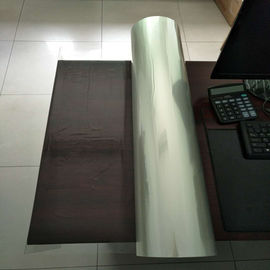
Le operazioni di stampaggio a grande formato richiedono rulli di pellicola più larghi per ridurre le sovrapposizioni e le giunzioni del materiale.
Alarghezza 2200 mmpuò essere vantaggioso per:
- Grandi pannelli compositi
- Componenti dell'energia eolica
- Parti di FRP industriali
- Linee di produzione continue
I rotoli di pellicola di grande formato possono anche contribuire a ridurre il tempo di installazione riducendo al minimo lo splicing della pellicola durante l'installazione.
Lunghezza del rotolo
La lunghezza del rotolo influenza la continuità della produzione e la frequenza di sostituzione dei materiali.
Gli utilizzatori industriali spesso preferiscono configurazioni a rotoli lunghi come:
- Rulli di 500 m
- 1000 m di rotoli
- Lunghezze industriali su misura
Alunghezza di rotolamento di 1000 metripossono supportare serie di produzione più lunghe e ridurre le interruzioni causate da frequenti cambi di rotoli.
Tendenze del settore che guidano la domanda di film di rilascio idrosolubili
Le normative ambientali e i requisiti di efficienza di produzione influenzano la selezione dei materiali nell'industria dei compositi.Molti produttori stanno valutando alternative ai tradizionali materiali di plastica usa e getta, specialmente nei processi che comportano moltiplicazioni su larga scala e ripetute operazioni di pulizia.
Di conseguenza, i film industriali biodegradabili e idrosolubili ricevono un'attenzione crescente in:
- Progetti di produzione sostenibile
- Processi di stampaggio a basso contenuto di residui
- Produzione composta automatizzata
- Iniziative di riduzione dei rifiuti industriali
Allo stesso tempo, i team di approvvigionamento si concentrano maggiormente sul controllo delle specifiche stabili piuttosto che sulle dichiarazioni promozionali.la capacità di approvvigionamento dei lotti sta diventando sempre più importante nella valutazione dei fornitori.
Errori comuni nella scelta del film di rilascio PVA
Scegliere un film solo in base al prezzo
I film a basso costo possono presentare problemi come:
- Spessore irregolare
- Rottura durante la lavorazione
- Comportamento di dissoluzione incoerente
Gli acquirenti industriali dovrebbero invece valutare la stabilità dimensionale e la compatibilità con le loro condizioni di stampaggio.
Ignorare la scala della produzione
I rotoli di pellicola di piccola larghezza possono aumentare la sovrapposizione dei materiali e ridurre l'efficienza operativa nelle grandi applicazioni di stampo.La corrispondenza della larghezza del rotolo alle dimensioni effettive dello stampo è importante per gli ambienti di produzione continua.
Trascurare le esigenze di stoccaggio e trasporto
I film solubili in acqua richiedono condizioni di imballaggio e di stoccaggio controllate per mantenere la stabilità durante il trasporto e la gestione a lungo termine delle scorte.
Conclusioni
La selezione del giusto film di rilascio della muffa idrosolubile in PVA comporta il bilanciamento dello spessore del film, delle dimensioni del rotolo, della compatibilità di produzione e dell'efficienza operativa.Per i produttori di materiali compositi industriali, specifiche quali:spessore di 33 micron,larghezza 2200 mm, e1000 m di lunghezza di rotolamentosono non solo parametri tecnici, ma anche indicatori di idoneità di produzione e di capacità di approvvigionamento.
Poiché la produzione di materiali compositi continua a muoversi verso metodi di lavorazione più puliti ed efficienti, si prevede che i film di rilascio solubili in acqua svolgano un ruolo più importante nelle applicazioni di stampaggio industriale.


 Il tuo messaggio deve contenere da 20 a 3000 caratteri!